REVISION NOTICE BELOW
How My Forest Armenia Is Rewriting the Nation’s Ecological Future at COP17
By Mikael Yamiosei
| _[Revision Requested: Oct 29, 2026 | Implemented: Oct 29, 2026]_ |
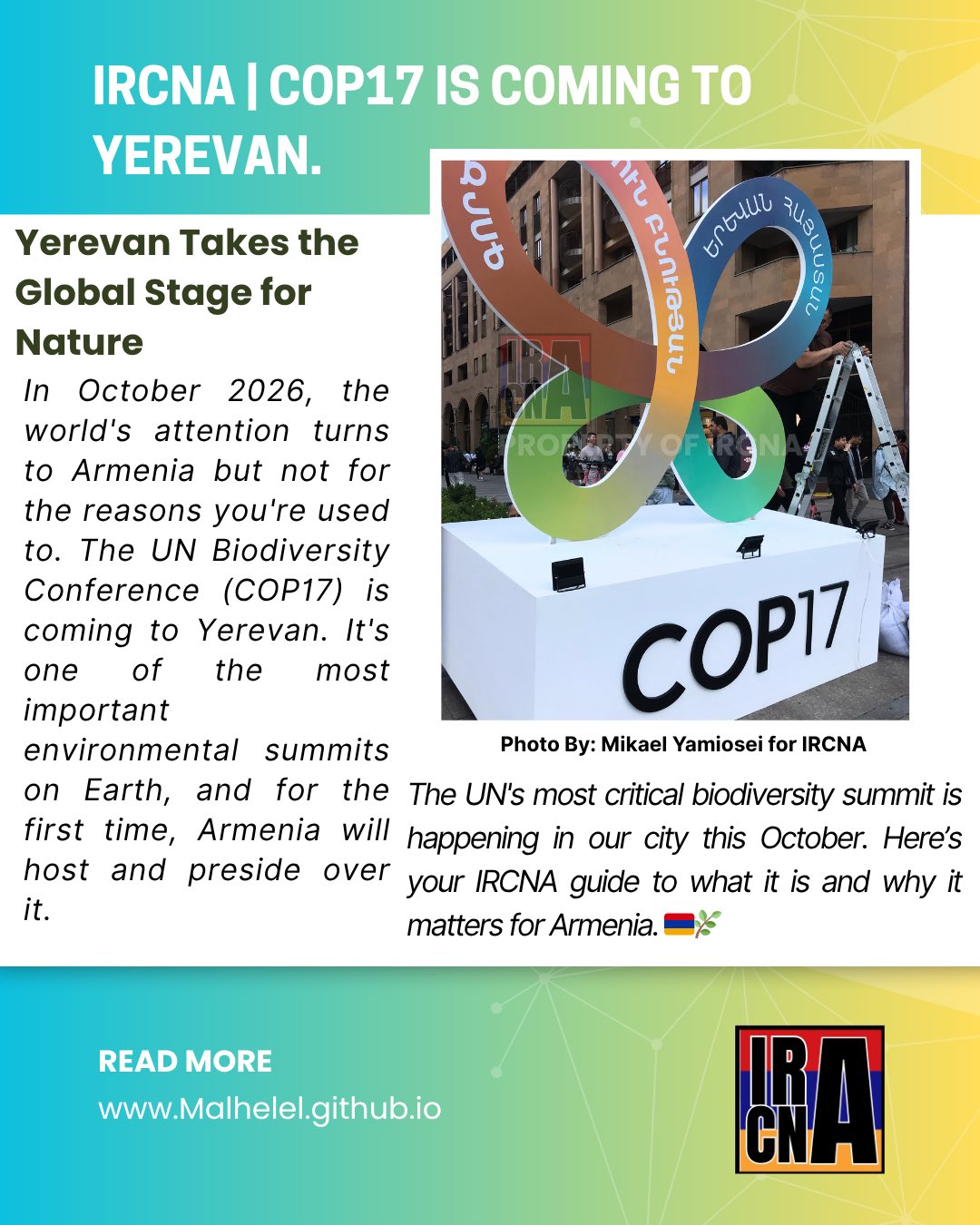
As Yerevan plays host to the 17th Conference of the Parties (COP17) to the UN Convention on Biological Diversity, the capital is abuzz with international delegations, policy debates, and high-level negotiations. Yet, stepping away from the formal plenary sessions and into the bustling Green Zone expo reveals where the real test of these global frameworks takes place: in the soil, the nurseries, and the meticulous long-term planning of local environmental initiatives.
Among the organizations presenting their work at the expo, My Forest Armenia offered a compelling blueprint for how independent, science-driven action can scale to meet a national ecological emergency.
Deconstructing the Numbers: Shifting National Targets and Independent Action
Understanding the scope of reforestation in Armenia requires disentangling national policy benchmarks from the day-to-day operations of independent organizations on the ground. A frequently cited metric in regional ecological discussions is the ambition to raise Armenia’s forest cover from roughly 10% to 20%—a baseline commitment originally established during a 2016 government cabinet session as a long-term vision for climate resilience and watershed protection.
In subsequent years, government targets evolved to reflect changing administrative priorities. Later state commitments set goals of establishing 50,000 hectares of new forest by 2030, a figure that was eventually recalibrated to 25,000 hectares by 2050. While these state-level figures reflect ambitious political commitments, achieving them presents immense practical challenges in land allocation, sustained funding, sapling availability, and long-term maintenance.
Crucially, My Forest Armenia operates as a completely separate entity whose core mission is not defined by government quotas or shifting state deadlines. L\Founded in 2019 and Launched with its first afforestation campaign in the fall of 2020, the NGO was established to reforest Armenia systematically and independently. Regardless of which administration holds office or which numerical target is codified at any given moment, My Forest Armenia pursues its restoration mandate on its own merit. In doing so, their high-capacity nursery production and long-term planting campaigns inherently support the nation’s broader ecological recovery, filling a vital operational gap between theoretical national policies and tangible landscape restoration.
Detailed Review of Past Projects and Sites
To understand how My Forest Armenia plans to scale toward that objective, one must examine the specific history, challenges, and developmental trajectory of their past and ongoing project sites across the country.
1. Lernajur, Armenia
Lernajur, historically known as Halavar and situated in the Lori Province, represents one of My Forest Armenia’s most expansive multi-phase afforestation milestones. Spanning a total of 412 hectares with 1,261,361 trees planted across 12 distinct tree species, the site demonstrates the organization’s dedication to building high structural and biological diversity. Rather than planting uniform monocultures that remain vulnerable to pests and climate shocks, the field teams carefully integrate broadleaf trees, evergreens, and shrubs tailored specifically to the regional topography.
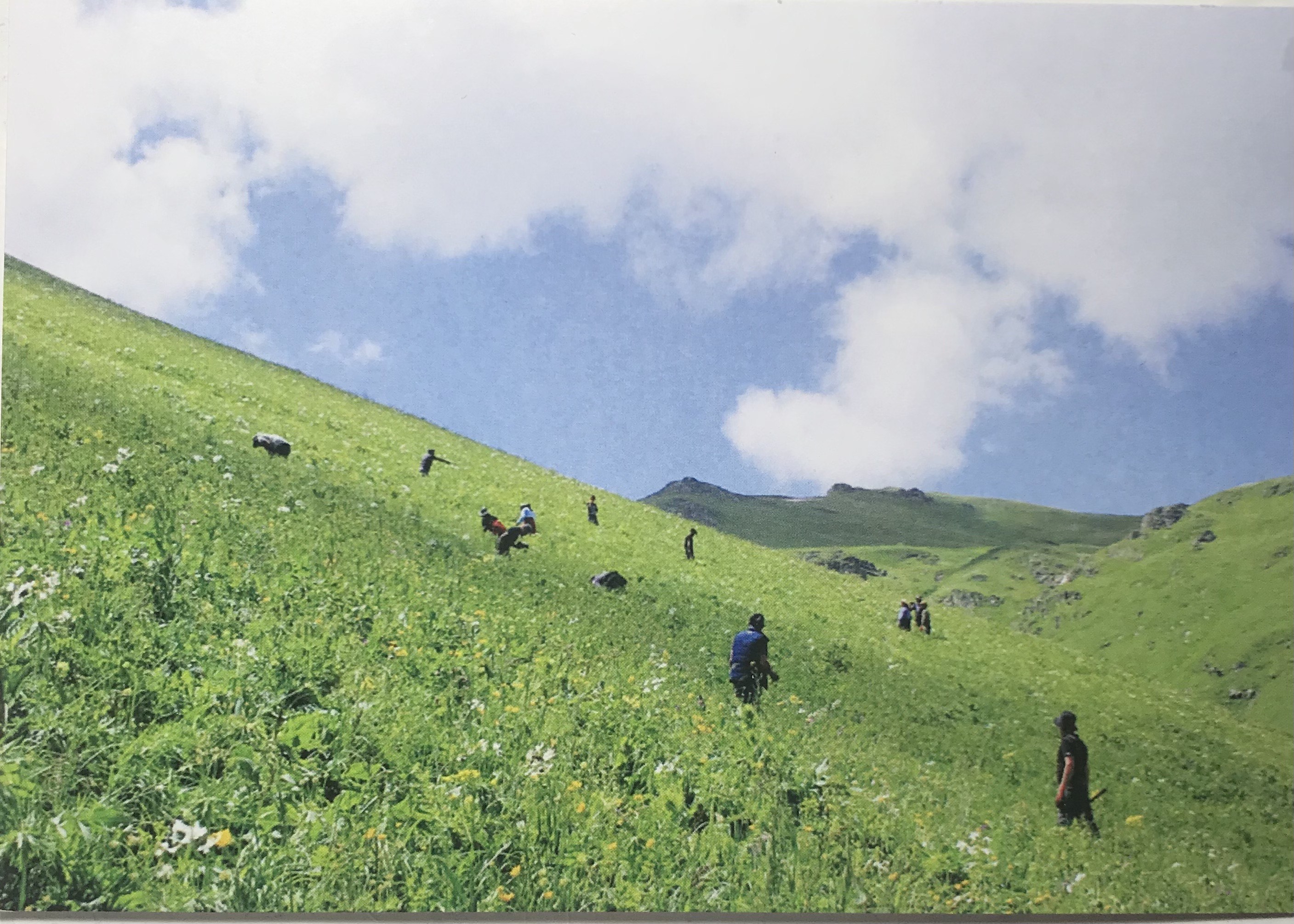
Beyond ecological metrics, Lernajur has also served as a deeply meaningful landscape for community and commemorative initiatives. In the fall of 2025, My Forest Armenia established two dedicated memorial forests within the Lernajur 4 afforestation area, transforming reforestation into a living tribute of remembrance, continuity, and generational heritage. These memorial plots honor families and historical figures—such as descendants of survivors of historical displacements—ensuring that every planted sapling functions simultaneously as a carbon sink, a wildlife haven, and an enduring monument to human resilience.
2. Jrashen, Armenia
Jrashen stands out as one of the organization’s most physically demanding and technically challenging operational zones, divided across large-scale sectors like Jrashen 1 and Jrashen 2. Located at elevations ranging from 1,860 to 2,400 meters, the terrain features steep, rugged hills, deep gorges, and harsh climatic factors, including a scorching summer sun and strong, unrelenting winds that make natural tree regeneration extremely difficult. To overcome these severe environmental hurdles, field operations require rigorous soil preparation, including the installation of thousands of meters of protective fencing to safeguard young saplings from livestock grazing by local sheep and cow herders.
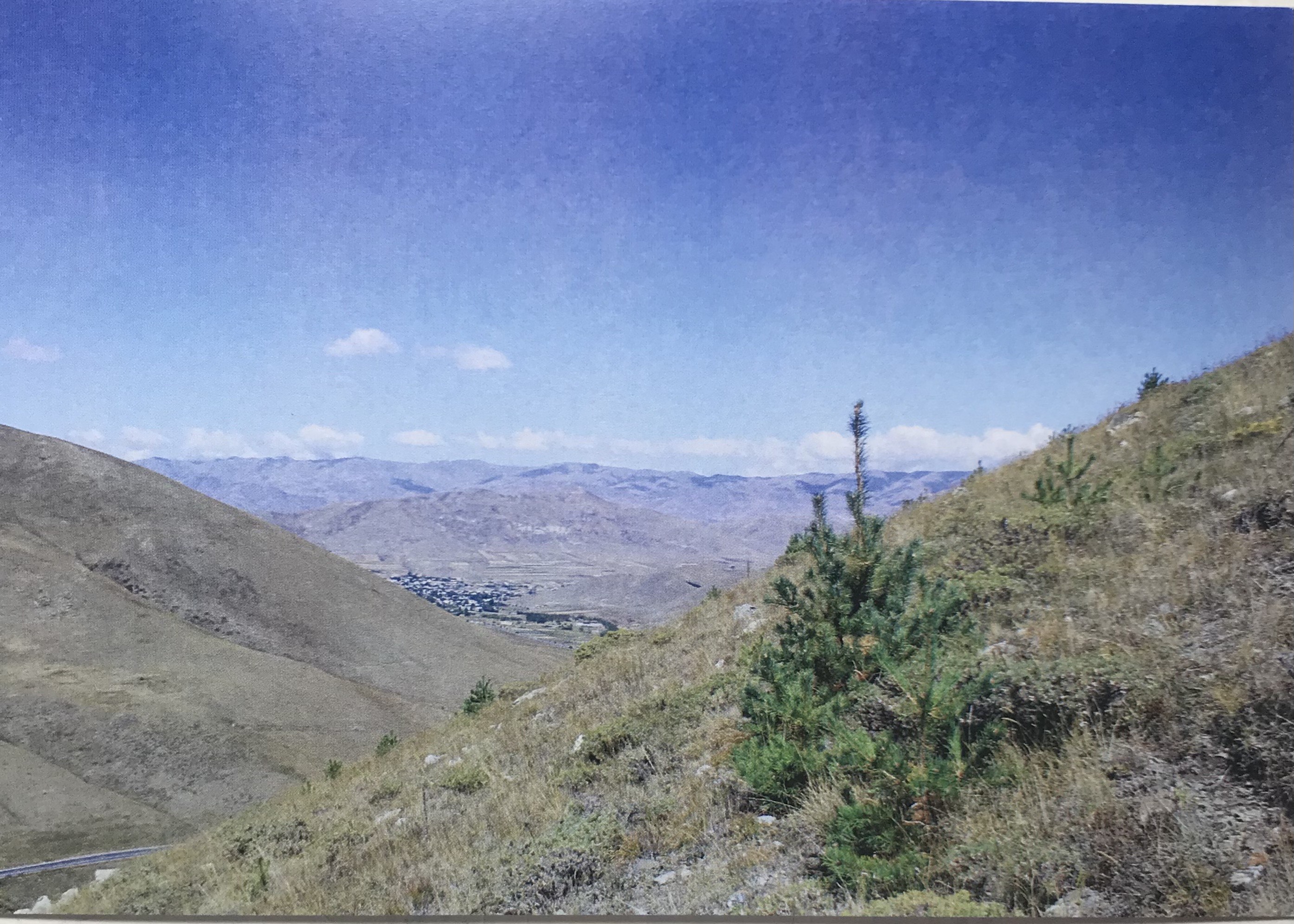
With a total footprint of 752,862 trees planted across 215 hectares utilizing 12 tree species, Jrashen has relied heavily on local employment and innovative conservation methodologies. During peak planting and maintenance seasons, up to 140 local community members are hired and trained, turning villagers into active custodians of their local environment. Furthermore, teams deploy extensive organic mulching and advanced soil amendments to retain vital moisture through dry summer periods, ensuring that species like Caucasian oak, resilient pines, wild pears, and maples can establish deep, lasting root systems.
3. Urasar, Armenia
Located in the Lori Province, Urasar represents a massive leap in scale and ecological suitability for My Forest Armenia, encompassing a sprawling 360-hectare afforestation area where 529,617 trees have been planted across 223 hectares using 9 tree species. Compared to earlier, more punishing terrain, the Urasar site offered exceptionally favorable natural conditions, featuring ideal altitudes between 1,700 and 2,000 meters and predominantly northern exposures that naturally retain higher soil moisture. This superior soil quality and moisture retention enabled the organization to diversify its planting strategy heavily toward rich broad-leaf deciduous species and robust understory shrubs.
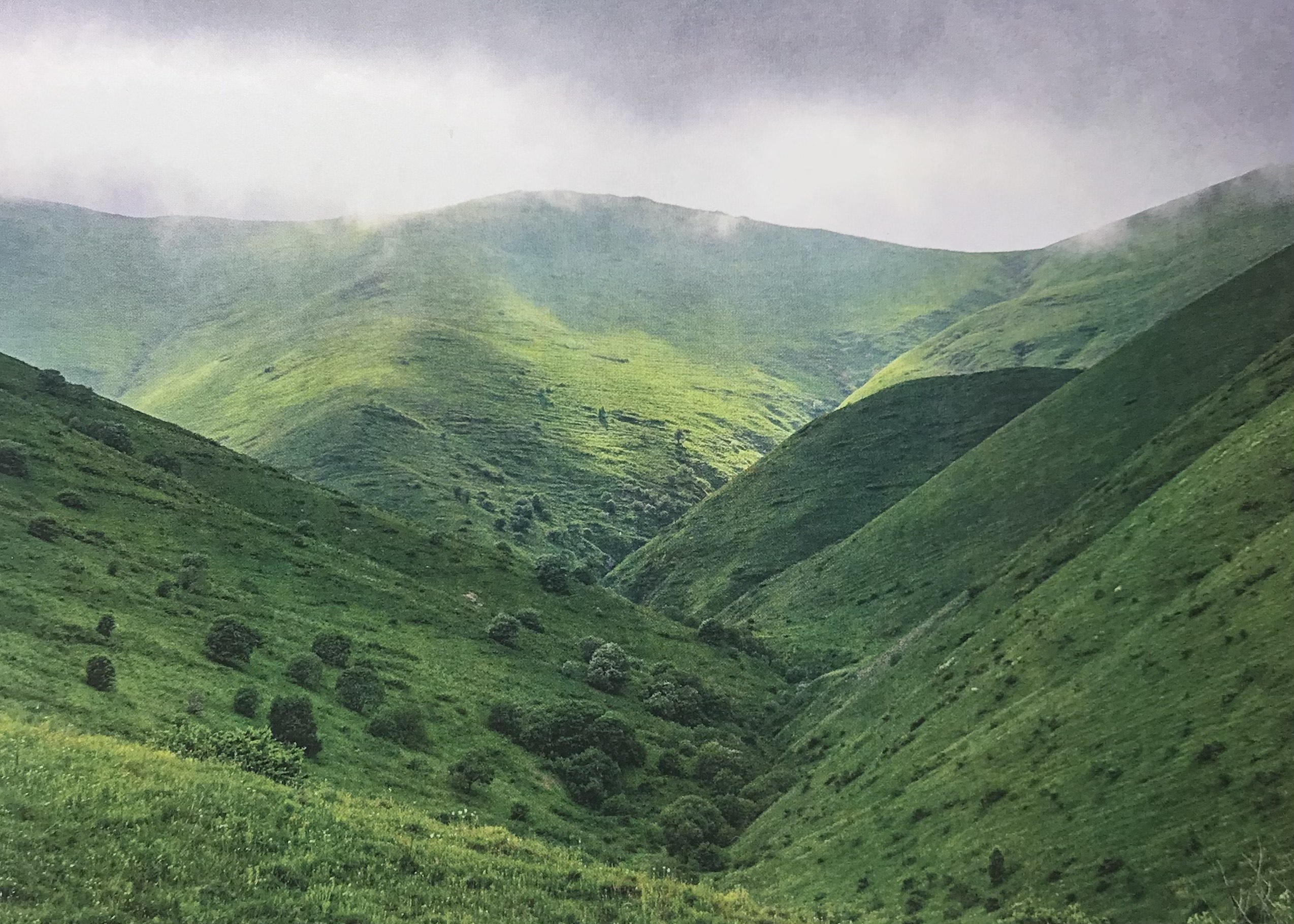
Urasar has also been the site of high-profile collaborative milestones, including a landmark campaign that saw 160,000 trees planted as part of the 30th anniversary celebrations of the Armenian dram. The species mix deployed across Urasar includes Caucasian oak, maple, beech, linden, wild pear, wild apple, walnut, and birch, creating a complex multi-tiered canopy that mimics natural old-growth Caucasian forests. This deliberate species selection maximizes carbon sequestration while restoring critical ecological corridors for regional wildlife populations.
4. Dzorashen, Armenia
Situated in the high-altitude Shirak Province within the Ashotsk Municipality area, Dzorashen represents My Forest Armenia’s expansion into the northern, wind-swept steppes and high plateaus of Armenia. As a recent addition to the organization’s growing portfolio of planting sites, Dzorashen encompasses 109,189 trees planted across 38 hectares spanning 8 tree species. Afforestation in this region addresses unique climatic challenges characterized by cold winters, significant frost exposure, and intense summer temperature swings, requiring rigorous site-specific scientific planning and careful seedling selection.
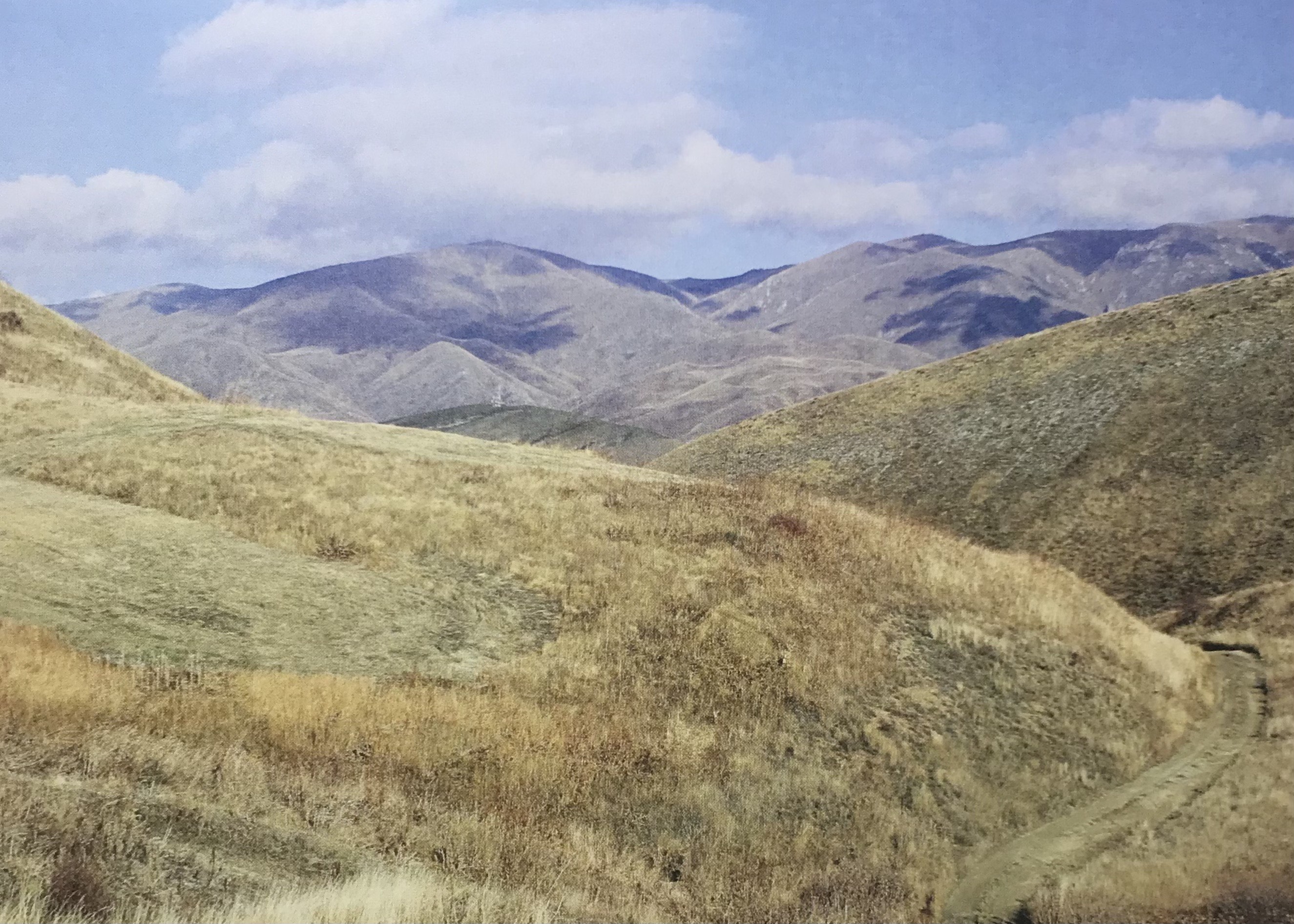
Like all My Forest Armenia project locations, Dzorashen is integrated directly into the organization’s rigorous multi-year maintenance framework, which includes continuous monitoring, weeding, and protection protocols for the critical first twenty years post-planting. By engaging local rural labor from surrounding communities for site preparation and fencing, the Dzorashen project not only rebuilds degraded topsoil and prevents severe erosion across exposed northern slopes but also provides vital economic stimulus and employment opportunities in rural Shirak.
5. Tsaghkunk, Armenia
Located in the Gegharkunik Province near the scenic Sevan-Hrazdan corridor, Tsaghkunk stands out as a community-linked afforestation project that bridges regional conservation with international environmental diplomacy. Accounting for 77,669 trees planted across 26 hectares with 7 carefully chosen tree species, the Tsaghkunk site highlights how local planting initiatives can capture global imagination and foster cross-border ecological solidarity.
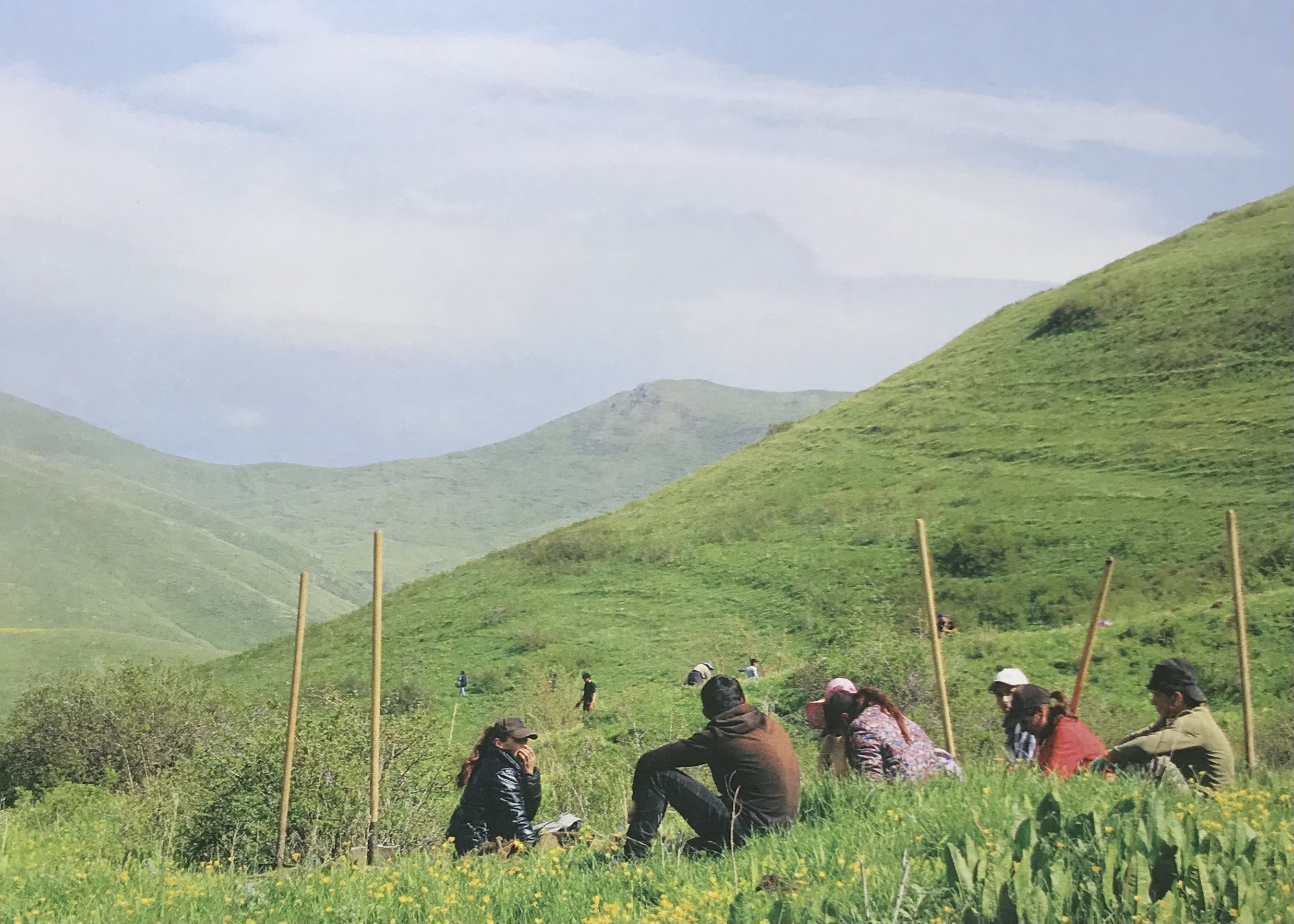
A crowning moment for the Tsaghkunk project was the official inauguration of the Belgian-Armenian Forest by Her Majesty Queen Mathilde of Belgium, underscoring the international significance and high standards of My Forest Armenia’s field operations. The project site demonstrates how community proximity can be leveraged for educational outreach, ecotourism integration—such as connecting forest bike tours and regional culinary landmarks—and ensuring that local populations take immense pride in the newly established woodland buffers surrounding Lake Sevan’s watershed.
6. Benjamin Gumuchdjian Nursery (Gugark)
Serving as the industrial and biological heart of My Forest Armenia’s entire reforestation pipeline, the Benjamin Gumuchdjian Nursery is located in the Lori Province near Gugark along the Vanadzor-Dilijan main road, spanning approximately 3.5 hectares at an altitude of 1,700 meters. Established to overcome the bottleneck of acquiring high-quality native planting stock, this facility is dedicated to an annual production capacity of 1,000,000 saplings across 22 tree and shrub species. The nursery utilizes a specialized bare-root system specifically calibrated to produce hardy seedlings capable of surviving high-altitude planting conditions between 1,500 and 2,200 meters.
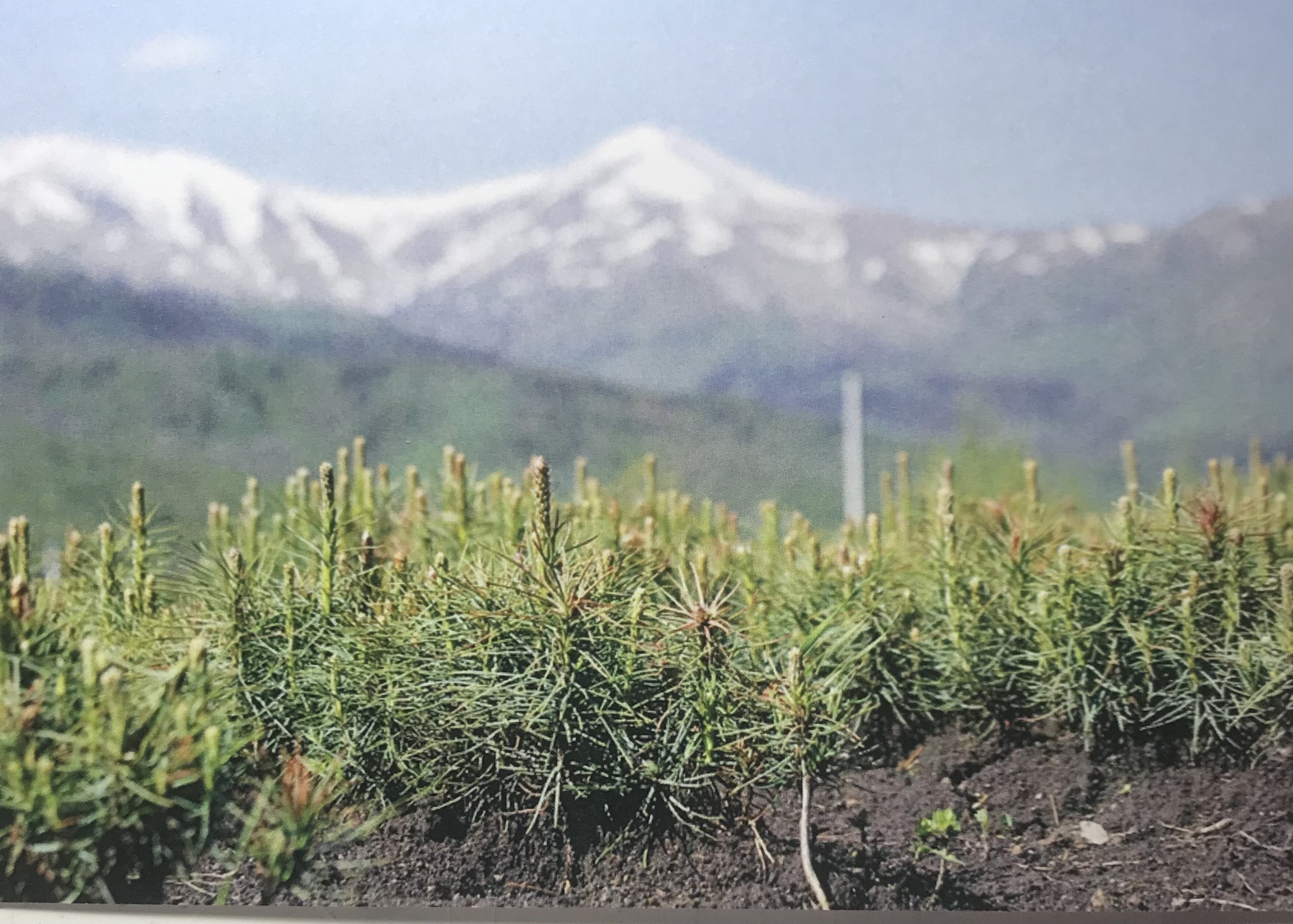
Over recent years, the nursery has undergone major technological expansion, highlighted by the official opening in May 2024 of a modern 500-square-meter greenhouse and advanced anti-hail net system supported by international partners such as the Embassy of Japan. Operating with a dedicated team of local nursery workers who have received specialized training—including safety certifications—the Benjamin Gumuchdjian facility ensures complete self-sufficiency in sapling production, rigorous quality control, and scientific traceability from seed collection to final field transplantation.
Positive Outcomes for Biodiversity in the Caucasus
The Caucasus is internationally recognized as a biodiversity hotspot, home to unique flora and fauna found nowhere else on Earth. However, historical deforestation, overgrazing, and soil erosion have fragmented critical wildlife corridors.
The intentional methodology employed by My Forest Armenia—emphasizing high species diversity (ranging from 7 to 12 species per project site) rather than vulnerable monocultures—delivers tangible positive outcomes for regional biodiversity:
- Habitat Reconstruction: Planting diverse native trees creates multilayered forest canopies and understories, restoring natural habitats for endemic insect, bird, and mammal populations that rely on native flora for survival.
- Soil Stabilization and Hydrological Security: Expanding forest cover across degraded slopes mitigates severe soil erosion, regulates surface runoff, and recharges underground aquifers—vital functions for both wildlife and downstream agricultural communities.
- Climate Resilience: Biodiverse forests possess higher adaptive capacity against pathogens, pests, and extreme temperature fluctuations compared to uniform tree stands, ensuring long-term ecological persistence as regional climates warm.
Conclusion: Translating Words into Canopy
As the diplomatic proceedings of COP17 draw global attention to Yerevan, the contrast between high-level policy declarations and grassroots execution remains sharp. Conversations at the Green Zone expo with local environmental leaders underscore a vital truth: international biodiversity frameworks are only as effective as the institutions on the ground executing them.
Through scalable nursery infrastructure like the Benjamin Gumuchdjian facility and rigorous, multi-species reforestation projects spanning Lernajur to Tsaghkunk, My Forest Armenia is demonstrating what it takes to reclaim the landscape—one hectare, and one million saplings, at a time.
Ultimately, restoring Armenia’s forests is not merely an environmental calculation of carbon offsets; it is a profound moral obligation to future generations. By binding local communities, civic organizations, and international partners together in a shared stewardship of the earth, initiatives like My Forest Armenia bridge the gap between abstract climate targets and enduring, tangible ecological reality.
Sources
- Photo Documentation: Field photographs of regional exhibitor data sheets given out during the COP17 Green Zone expo detailing planting metrics for Jrashen, Urasar, Lernajur, Dzorashen, Tsaghkunk, and the Benjamin Gumuchdjian Nursery. Alongside photos of each project found on the myforestarmenia.org site.
- My Forest Armenia Official Documentation (myforestarmenia.org):
- Programmatic pages covering reforestation standards, site selection criteria, and nursery operations (/reforestation, /reforestation-afforestation, /nurseries, /growing-up-together).
- Official news bulletins and impact reports detailing the 5-year partnership with the Environmental Project Implementation Unit (EPIU), Queen Mathilde’s inauguration of the Belgian-Armenian Forest, memorial tree plantings in Lernajur 4, and the opening of the Gugark greenhouse supported by the Embassy of Japan.
- Revision Source (Editorial Correction, Oct 29, 2026): Direct verbal verification via a telephone briefing with a representative from My Forest Armenia regarding the organizational separation between state targets (2016 cabinet 10%/20% baseline, 50k ha by 2030, and 25k ha by 2050 commitments) and My Forest Armenia’s independent, continuous operational trajectory launched in the fall of 2020.
IRCNA Editorial Revision Bulletin
Article Title: Beyond the Plenary Halls: How My Forest Armenia Is Rewriting the Nation’s Ecological Future at COP17
Date of Revision: October 29, 2026
Summary of Implemented Revisions
Contextualization of National Targets:
Updated the opening analysis (“Deconstructing the Numbers: Shifting National Targets and Independent Action”) to accurately trace the origin of the ~10% baseline and 20% target back to a 2016 government cabinet commitment.
Incorporated subsequent shifts in national administrative targets, specifically noting state goals of establishing 50,000 hectares of new forest by 2030 and later recalibrations to 25,000 hectares by 2050.
Clarification of Organizational Independence:
Reframed My Forest Armenia’s operational mandate to establish that the organization operates as an independent entity founded in 2019, with their first campaign launched in the fall of 2020, pursuing systematic afforestation regardless of shifting political cycles or state quotas.
Highlighted that while their high-capacity nursery production and planting campaigns inadvertently support broader national milestones, their primary driver is ecological restoration rather than fulfilling state-mandated metrics.
Realistic Assessment of Scaling Challenges:
Added structural analysis noting that attempting to absorb or independently achieve government-scale quotas alone would introduce immense logistical bottlenecks concerning funding, available land, resources, and volunteer mobilization.
Updated Source Documentation:
Added an official entry under the Sources section (Revision Source) documenting the telephone briefing with a My Forest Armenia representative that provided clarity on the distinction between government commitments and the NGO’s independent operational trajectory.
Comments