Iran’s Biodiversity, Wartime Resilience, and the Vision of NBSAP3 at COP17
by Mikael Yamiosei
The air – inside the Green Zone expo at the 17th Conference of the Parties to the United Nations Convention on Biological Diversity (COP17) in Yerevan thrummed with a distinct collective urgency. As delegates, researchers, and civil society actors navigated the sprawling pavilions, the exhibition booths at the Green Zone Expo offered deep windows into the ecological realities of participating nations. Among them, the pavilion display representing the Islamic Republic of Iran stood out, anchored by an enormous map of Iran detailing its biodiversity and rich visual records of the region’s conservation efforts. It was there that I met Sayyad Sheykhi, an environmental specialist on biodiversity affiliated with the University of Tehran.
Within the bustling confines of the international convention center, where geopolitical abstractions often overshadowed localized realities, the Iranian pavilion provided a striking counter-narrative of deep-rooted scientific diligence and ecological stewardship. The sprawling cartographic representations displayed on the booth’s primary panels did not merely illustrate national boundaries; they mapped an intricate web of life forged across millennia of geological transformation and climatic adaptation. Attendees and international delegates lingered before a stand displaying traditional handmade crafts ranging from pickled fruit, artisan purses, and intricately woven bags. The booth also displayed photos and informational books, brochures and post cards of the animals and species found in Iran’s Red Book. It was against this backdrop of a humble booth and the informative conservation posters displayed on the walls framing the huge Biodiversity Map, that the dialogue with Sayyad Sheykhi opened up a comprehensive window into the true biological magnitude of the Iranian plateau.
Additional documentation displayed across the exhibition panels detailed the institutional framework of Iran’s Department of Environment (DOE), highlighting decades of systematic ecological research, protected area expansion, and legislative enforcement. These visual portfolios underscored how domestic scientific bodies collaborate closely with academic institutions, including the University of Tehran, to monitor population dynamics and implement targeted conservation protocols across diverse provincial ecosystems.
The exposition also emphasized the alignment of Iran’s national environmental strategies with international multilateral agreements, demonstrating a proactive stance in addressing global biodiversity targets despite formidable external economic and political hurdles. Through structured informational graphics, visitors could examine how regional conservation programs integrate scientific research with community-level participation, ensuring that ecological preservation remains deeply rooted in local realities.
The dialogue with specialists like Sayyad Sheykhi at the Green Zone underscored the importance of direct academic exchange at global summits like COP17, where empirical data and localized fieldwork provide vital context for evaluating planetary environmental commitments. By presenting transparent assessments of both ongoing conservation achievements and persistent ecological challenges, the Iranian delegation fostered an environment of rigorous scientific inquiry and constructive international dialogue.
Standing amidst displays highlighting fragile ecosystems, our conversation naturally drifted toward the staggering scope of Iran’s natural environment—a landscape far more diverse and ecologically complex than commonly recognized.
Conventional international discourse frequently reduces the Middle Eastern landscape to a monolithic canvas of sand and aridity, erasing the profound ecological heterogeneity that actually characterizes the region. Sheykhi’s exposition dismantled this superficial perspective point by point, demonstrating how the Iranian plateau serves as a monumental crossroads where evolutionary lineages from three distinct continents converge. The discussion moved fluidly from general geographical observations to specific micro-climatic dynamics, illuminating how localized topography creates sheltered ecological niches that foster high levels of biological endemism and genetic divergence.
The topographical configuration of the Iranian plateau is characterized by formidable mountain ranges, notably the Alborz and Zagros chains, which act as climatic barriers and thermal refugia for numerous endemic species. These elevated corridors create sharp environmental gradients over short physical distances, enabling alpine, sub-alpine, and temperate flora and fauna to persist within distinct ecological zones that remain insulated from surrounding arid lowlands.
In addition to mountain ecosystems, Iran encompasses vast interior drainage basins, extensive wetland networks, and specialized coastal environments along both the Caspian Sea to the north and the Persian Gulf and Oman Sea to the south. Each of these distinct aquatic and terrestrial domains supports specialized biological communities whose survival depends on maintaining ecological connectivity across provincial boundaries and seasonal hydrological cycles.
The convergence of Palearctic, Afrotropic, and Oriental biotic elements across this varied terrain has generated a rich tapestry of biodiversity encompassing thousands of plant species, hundreds of avian taxa, and numerous mammalian, reptilian, and amphibian populations. Documenting and safeguarding this multifaceted natural heritage requires sophisticated spatial modeling, continuous field monitoring, and rigorous scientific management protocols overseen by qualified specialists.
Hotspots of Life and the Red Book
Sayyad Sheykhi unfolded the structural realities of Iran’s geography, explaining how the country functions as a monumental intersection of major biogeographical realms. Far from being a uniform arid expanse, Iran is a premier hotspot of global biodiversity, uniquely holding two distinct biodiversity hotspot points within its borders that converge diverse floral and faunal lineages from Central Asia, Europe, and Africa.
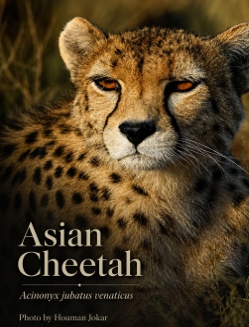
To bring this ecological wealth into sharp focus, Sheykhi walked me through Iran’s Red Book, pointing out the delicate status of flagship species that define the nation’s wild heritage. Among the most striking entries are the majestic Asiatic cheetah (Acinonyx jubatus venaticus), whose dwindling populations symbolize the frontline of arid-land conservation, and the Persian leopard, alongside specialized avian species, ungulates, and a vast wealth of endemic flora adapted to extreme topographical gradients ranging from the hyper-arid central deserts to the lush Hyrcanian temperate forests along the Caspian Sea.
The biogeographical architecture of Iran is defined by the collision and overlap of the Palearctic, Afrotropic, and Oriental realms, creating a complex patchwork of biomes that few other nations can rival. Within this vast theatre, the presence of two internationally recognized biodiversity hotspots—specifically portions encompassing the Irano-Anatolian and Caucasus regions—places Iran at the very center of global conservation priorities. Sheykhi detailed how the nation’s Red Book functions not merely as a registry of decline, but as an active, science-based management tool utilized by the Department of Environment to track population trajectories, identify critical breeding grounds, and enforce targeted habitat protections. The plight of the Asiatic cheetah, hanging by a thread in the central arid reserves, represents an intense nationwide mobilization of anti-poaching units, telemetry monitoring, and community-based pastoralist outreach designed to secure a future for the world’s last remaining wild population outside of Africa. Simultaneously, the robust populations of the Persian leopard across the vertical mazes of the Zagros and Alborz ranges demonstrate the resilience of top apex predators when shielded by dedicated forest and mountain reserves.
The designation of portions of Iran within the Irano-Anatolian and Caucasus biodiversity hotspots reflects the exceptional concentration of endemic plant and animal species found within these transitional zones. Conservation planning within these priority areas focuses heavily on mitigating habitat fragmentation caused by infrastructure development, overgrazing, and unmanaged agricultural expansion, ensuring that ecological corridors remain open for mobile wildlife populations.
Iran’s national Red Book provides rigorous taxonomic assessments based on empirical field surveys, population viability analyses, and threat evaluations conducted by domestic researchers and conservation authorities. These assessments enable the Department of Environment to prioritize funding, deploy specialized field personnel, and establish emergency protection protocols for critically endangered taxa facing immediate extinction risks.
Beyond charismatic apex predators like the Asiatic cheetah and Persian leopard, the country’s biodiversity portfolio includes a diverse array of ungulates, small carnivores, reptiles, and specialized invertebrates that form the complex trophic foundations of local ecosystems. Continuous monitoring of these prey species and their respective habitats is essential for maintaining balanced, self-sustaining wild populations across protected reserves and national parks.
Elevating Global Biodiversity Through the Ramsar Convention
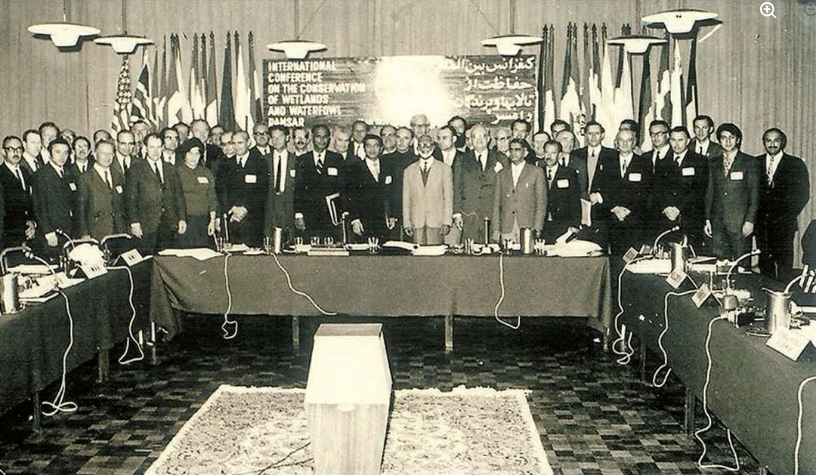
He also walked me through how Iran was one of the first pioneers in leading a global stance on biodiversity with the ‘Convention on Wetlands of International Importance’ Adopted on February 2, 1971, in Ramsar, Iran, the Ramsar Convention on Wetlands fundamentally transformed the importance of biodiversity by pioneering the world’s first modern multilateral treaty dedicated to a specific ecosystem. Prior to this agreement, international conservation was fractured into regional, species-specific bird treaties. The Ramsar Convention altered global policy by establishing that entire ecosystems must be preserved across political borders to shield the 40% of the world’s plant and animal species that rely on wetlands. By introducing the concept of “wise use,” the convention became the historic foundation for modern sustainable development, proving that human utility and biodiversity preservation could legally coexist. Furthermore, it shifted global policy from mere passive protection to active accountability, legally requiring its 172 member nations to integrate wetland preservation into national planning, declare internationally protected “Ramsar Sites,” and jointly manage transboundary water systems that protect migratory species.
The historical weight of Iran’s environmental diplomacy cannot be overstated when examining the genesis of modern global conservation frameworks. Long before contemporary multilateral agreements codified planetary biodiversity targets, Iranian delegates championed the protection of aquatic ecosystems on the shores of the Caspian Sea in February 1971. The resulting Ramsar Convention established a revolutionary legal paradigm that superseded narrow, piecemeal conservation efforts by recognizing that entire hydrological networks form the foundational life-support systems of the biosphere. By embedding the principle of “wise use” into international law, the convention reconciled the socioeconomic necessities of human communities with the ecological imperatives of habitat preservation. This pioneering legacy continues to resonate through Iran’s domestic water management and international cooperative agreements, establishing a continuous historical thread of environmental leadership that bridges the twentieth-century genesis of conservation law with twenty-first-century global biodiversity frameworks.
The selection of Ramsar, Iran, as the birthplace of the world’s first modern intergovernmental treaty dedicated to a single ecosystem cemented the nation’s early and enduring commitment to international environmental cooperation. The treaty’s emphasis on maintaining the ecological character of wetlands through sustainable utilization established a crucial precedent for balancing ecological conservation with socio-economic development needs.
Wetland ecosystems across Iran—ranging from coastal lagoons and river deltas to inland salt lakes and marshes—serve as critical ecological anchors that support high concentrations of resident and migratory waterbirds. Protecting these dynamic aquatic habitats requires continuous hydrological management, water quality assessment, and international collaboration along shared flyways and transboundary river basins.
The foundational principles articulated in the 1971 Ramsar Convention continue to guide contemporary national strategies addressing water scarcity, habitat degradation, and climate-induced environmental stress. By integrating wetland conservation into broader provincial and national planning frameworks, Iranian environmental authorities strive to safeguard essential hydrological services for both human communities and dependent wildlife populations.
Navigating the Blueprint: Inside NBSAP3
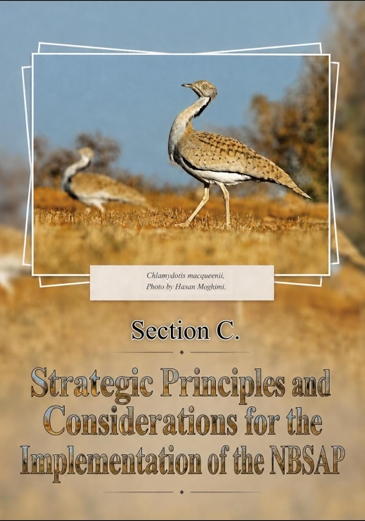
To understand how these ecosystems are managed and protected, Sheykhi introduced me to the foundational strategic book guiding the nation’s environmental policy: the Islamic Republic of Iran’s National Biodiversity Strategies and Action Plan (NBSAP3), Final Version, 2025–2030: Framework to Halt and Reverse Biodiversity Loss. Published under the authority of the Department of Environment and coordinated by key national focal points, this comprehensive roadmap serves as the country’s strategic pledge under the global biodiversity framework.
Flipping through the master text of NBSAP3, Sheykhi highlighted the structural framework designed to counteract degradation across terrestrial, marine, and inland water ecosystems. The book details an expansive network of conservation reserves, protected areas, wildlife refuges, and national parks managed under the Department of Environment. These protected zones act as vital ecological anchors, buffering endemic species against encroaching habitat fragmentation, overgrazing, and industrial pressures. The strategy emphasizes strengthening management effectiveness, expanding community-based conservation initiatives, and integrating scientific monitoring systems to safeguard vulnerable habitats.
The operational core of contemporary Iranian environmental governance is meticulously codified within the pages of NBSAP3 (2025–2030). As Sheykhi turned the heavy pages of the strategy book at the exhibition booth, the structural precision of the framework became immediately apparent. Coordinated through the Department of Environment and backed by research contributions from academic institutions such as the University of Tehran, the plan outlines clear, measurable milestones designed to halt and reverse ecological degradation across all provincial boundaries. The document provides exhaustive inventories of Iran’s protected area network—comprising national parks, natural monuments, wildlife refuges, and protected areas—which together form an impenetrable ecological shield against industrial encroachment, unsustainable overgrazing, and urban sprawl. By integrating advanced scientific monitoring protocols with traditional ecological knowledge held by local communities, NBSAP3 establishes a robust, adaptive management paradigm that ensures long-term habitat connectivity and species survival.
The Third National Biodiversity Strategies and Action Plan (NBSAP3, 2025–2030) serves as Iran’s comprehensive strategic roadmap under the overarching umbrella of the global biodiversity framework. Developed under the authority of the Department of Environment with extensive contributions from academic specialists, scientists, and institutional focal points, the document establishes clear targets designed to halt and reverse biodiversity degradation across terrestrial, marine, and inland water environments.
The strategic framework outlined in the NBSAP3 book emphasizes strengthening the management effectiveness of Iran’s established conservation network, which encompasses national parks, wildlife refuges, protected areas, and natural national monuments. These protected zones are managed to buffer vulnerable ecosystems against human-induced pressures, maintain habitat connectivity, and secure viable populations of native flora and fauna.
Implementation mechanisms within NBSAP3 incorporate a collaborative, whole-of-society approach that engages governmental bodies, academic institutions, local communities, and non-governmental organizations. By aligning domestic conservation targets with scientific monitoring protocols and sustainable resource use principles, the action plan provides a structured, verifiable pathway for long-term environmental stewardship across the nation.
At the end of our discussions and my many - many - questions to him, he had decided to give me a copy of the NBSAP3 book as a gift, so that I may learn more about the rich biodiversity in Iran and how they plan to preserve, conserve and reinstate biodiversity in their region.
Preserving Nature Amidst War
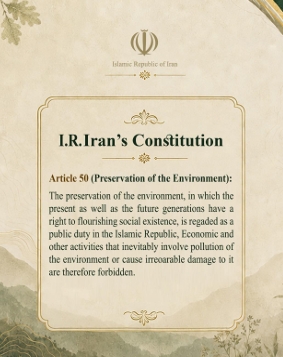
One of the most profound dimensions of our discussion centered on a stark, sobering reality: how Iran plans to sustain its biodiversity preservation efforts amidst the compounding pressures and disruptions of having to defend itself during a regional war and geopolitical instability.
According to the frameworks outlined in the NBSAP3 book and discussed at the exhibition, conservation under the shadow of conflict requires resilient, decentralized approaches. Environmental security cannot be neatly separated from national stability; rather, natural buffers, water catchments, and protected reserves are recognized as critical life-support systems that sustain local communities whose livelihoods depend directly on ecological health. The strategy underscores the necessity of maintaining institutional continuity through the Department of Environment, ensuring that scientific monitoring, anti-poaching patrols, and habitat restoration efforts persist even when broader economic and geopolitical strains peak. By engaging local stakeholders, academic institutions like the University of Tehran, and regional conservation networks, Iran’s framework seeks to maintain vital ecological safeguards against the disruptions brought by an unwarranted war.
In examining the intersection of environmental policy and geopolitical reality, the dialogue confronted the profound challenges imposed by regional conflict and external hostility. While Western-centric conservation narratives frequently assume that ecological stewardship is a luxury exclusive to peaceful, affluent societies, Sheykhi’s insights revealed an entirely different sovereign paradigm. Under the pressures of war and economic sanctions, protecting Iran’s natural heritage is understood not as a secondary concern, but as an indispensable component of national survival and civil resilience. Natural watersheds, forest catchments, and rangeland buffers serve as the vital life-support infrastructure that sustains rural livelihoods and food security under duress. The strategic provisions within the NBSAP3 book explicitly account for these pressures, mandating decentralized conservation models and unwavering institutional continuity through the Department of Environment to ensure that anti-poaching patrols, habitat restoration, and ecological monitoring continue uninterrupted even amidst the severest geopolitical storms.
Sustaining environmental conservation and institutional operations amidst regional war and geopolitical instability requires robust, decentralized management structures. As articulated in strategic discussions and policy frameworks, natural reserves and watershed buffers function as essential life-support systems that sustain rural communities and local livelihoods during periods of acute societal stress.
The Department of Environment maintains continuous institutional oversight, ensuring that scientific monitoring, anti-poaching patrols, and habitat protection efforts persist even when external economic and security pressures peak. This institutional continuity is vital for preventing ecological collapse in vulnerable protected areas and safeguarding critical natural resources against wartime disruptions.
Collaborative networks involving academic institutions, local stakeholders, and regional conservation entities reinforce the resilience of Iran’s environmental framework under duress. By embedding conservation priorities within broader structures of civil resilience and national defense, the strategy recognizes that protecting the nation’s natural heritage is inseparable from ensuring the long-term survival and stability of its human communities.
Connecting to the Global Stage at COP17

The timing of this dialogue at COP17 in Yerevan placed Iran’s national strategy into direct alignment with global environmental goals. As nations assemble to review progress toward halting and reversing biodiversity loss under international agreements, regional strategies like the ones found in the NBSAP3 book provide the practical, ground-level mechanisms necessary to translate global targets into actionable domestic policy.
The convergence of international delegates in Armenia served as a crucial reminder that ecological crises—whether desertification, species extinction, or habitat loss—transcend borders. Through the insights shared by specialists like Sayyad Sheykhi at the Green Zone expo, it became evident that Iran’s path forward relies on an unwavering commitment to science-based conservation, the defense of its unique Red Book species, and the rigorous execution of its 2025–2030 biodiversity framework, even under the most daunting geopolitical circumstances, in this case an unwarranted war brought on by western powers.
As the discussions at the Yerevan COP17 pavilion drew to a close, the broader significance of the encounter crystallized. Global environmental summits derive their true value not from sterile diplomatic communiqués, but from the unvarnished sharing of national realities, scientific breakthroughs, and sovereign commitments. The comprehensive walkthrough of Iran provided by Sayyad Sheykhi illuminated a nation deeply engaged in safeguarding its irreplaceable natural legacy against extraordinary odds. From the ancient snowcapped peaks of the Alborz to the hyper-arid expanses of the central deserts, Iran’s dedication to preserving its living mosaic stands as a testament to the enduring power of science-based ecological stewardship in a fractured world.
The gathering of international researchers, policymakers, and civil society actors at COP17 in Yerevan provide an invaluable platform for presenting Iran’s national biodiversity strategies to a global audience. Showcasing empirical data, cartographic inventories, and policy documents such as the NBSAP3 book, allowing delegation representatives to demonstrate tangible progress in meeting international environmental commitments.
Such global summits facilitate critical cross-border exchanges regarding best practices in habitat restoration, climate adaptation, and science-based conservation management. The insights shared by specialists during these exhibition walkthroughs highlight the necessity of collaborative international engagement in addressing planetary ecological challenges that transcend national boundaries.
Concluding the discussions at the Yerevan expo reinforced the understanding that robust domestic planning and unwavering institutional commitment are fundamental to achieving long-term sustainability. Iran’s ongoing efforts to protect its unique biological heritage during a war offer vital lessons for the global conservation community in navigating complex environmental realities.
Sources and Credit
- Primary Source Document: Islamic Republic of Iran’s National Biodiversity Strategies and Action Plan (NBSAP3), Final Version, 2025–2030: Framework to Halt and Reverse Biodiversity Loss, published by the Department of Environment, Islamic Republic of Iran. Accessible via the Climate Policy Radar.
- Field Context: Direct discussions and exhibition walkthroughs with Sayyad Sheykhi, environmental specialist on biodiversity for the University of Tehran, at the Green Zone exhibition booth during COP17 in Yerevan, Armenia.
Comments